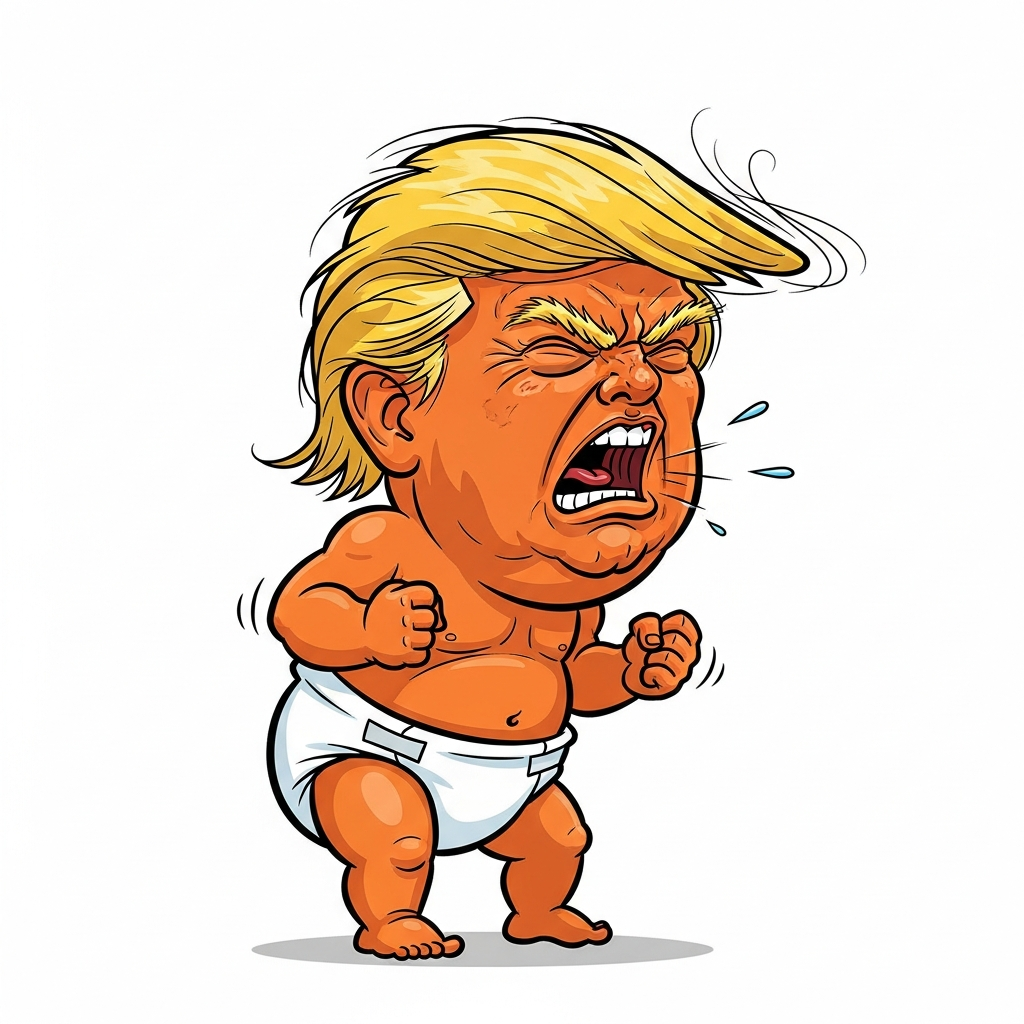
Trump's Personal Debt Crisis Reaches $900 Million
Trump's reckless borrowing spree of the late 1980s caught up with him as his personal debt reached an estimated $900 million, forcing him to cede control of key assets to creditors and survive only through bank-negotiated bailouts.
The Debt Spiral
By the early 1990s, the consequences of Donald Trump’s massive borrowing spree during the late 1980s had become inescapable. Trump had personally guaranteed hundreds of millions of dollars in loans used to acquire the Plaza Hotel, the Trump Shuttle airline, and his Atlantic City casinos. When the real estate market softened and his casinos underperformed, Trump found himself unable to service the debt. Various estimates placed his total personal debt at approximately $900 million, with his businesses carrying billions more in corporate obligations.
The scale of the crisis was staggering. Trump owed money to dozens of banks, and many of his properties were hemorrhaging cash. The Trump Shuttle was losing money. The Plaza Hotel could not cover its interest payments. The Taj Mahal casino had already filed for bankruptcy protection. Trump’s entire empire, built on leverage and bravado, was on the verge of complete collapse.
The Bank Bailout
Paradoxically, the sheer scale of Trump’s debts may have saved him. The banks that held his loans had a collective interest in keeping him afloat. If Trump were forced into personal bankruptcy, the value of his assets, many of which depended on the Trump name for their marketability, would plummet. The banks concluded that they would recover more money by restructuring Trump’s debts than by liquidating his holdings.
In a series of negotiations, Trump’s creditors agreed to defer interest payments, extend loan terms, and provide him with a personal allowance of roughly $450,000 per month to maintain his lifestyle while the restructuring took effect. In exchange, Trump was forced to cede equity stakes in several properties, including the Plaza Hotel, and to sell assets such as his yacht, the Trump Princess, and the Trump Shuttle airline.
The Comeback Narrative
Trump survived the debt crisis without filing for personal bankruptcy, a distinction he would emphasize for decades afterward. He argued that his ability to negotiate with the banks and emerge intact proved his business acumen. Critics countered that any ordinary person with $900 million in personal debt would have been wiped out entirely, and that Trump’s survival was a function of his creditors’ pragmatic calculation, not his skill.
The crisis did lasting damage to Trump’s ability to borrow from traditional banks. For years afterward, major American lenders refused to extend him credit, a circumstance that would later push him toward alternative sources of financing, including Deutsche Bank and, according to various investigations, potential sources of foreign capital. The near-death experience of the early 1990s shaped the financial structure of the Trump Organization for decades to come.
Sources
- What's He Really Worth? — The New York Times, October 23, 2005
- The era that Trump would like to forget — The Washington Post, October 15, 2015
- How Donald Trump Bankrupted His Atlantic City Casinos, but Still Earned Millions — The New York Times, June 11, 2016