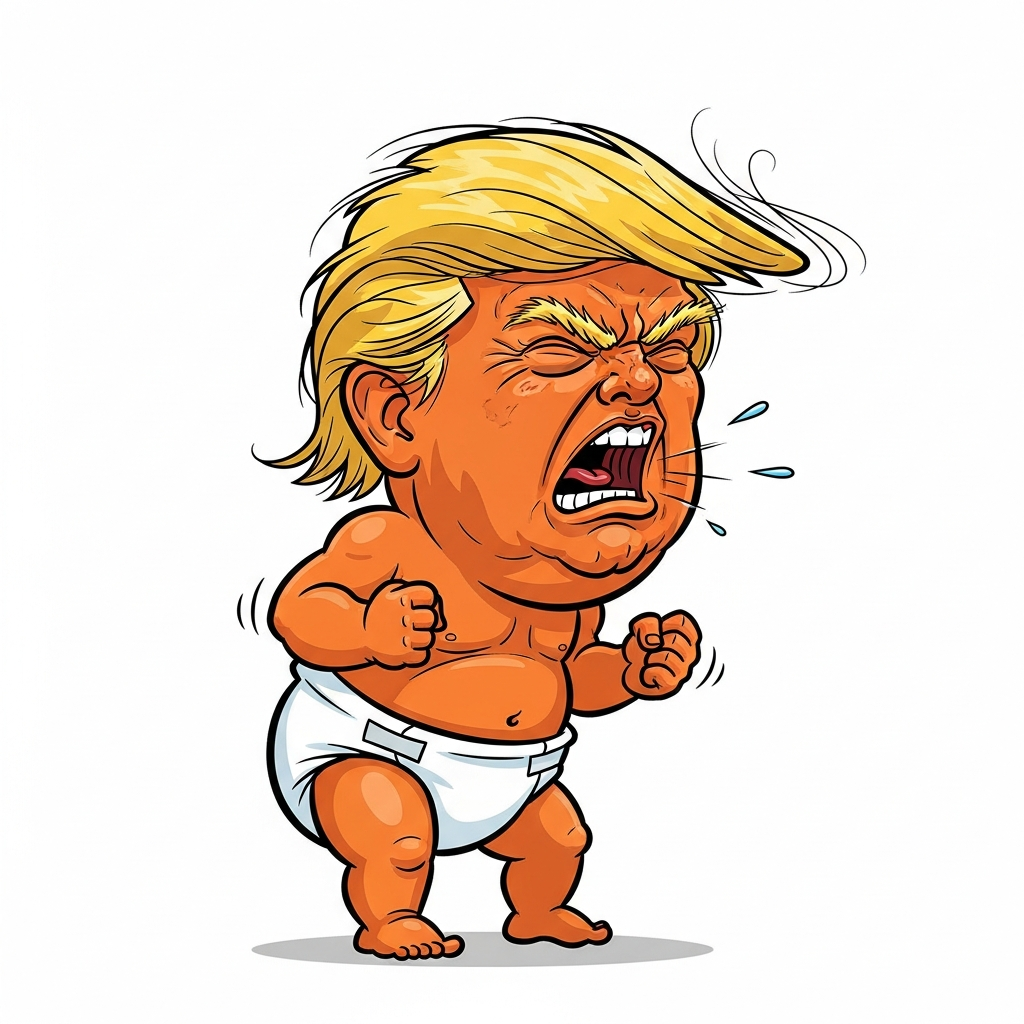
Trump Ends Reform Party Presidential Campaign
Donald Trump withdrew from the Reform Party presidential race, citing the party's dysfunction, after months of exploratory campaigning that foreshadowed his eventual 2016 run.
The Exploratory Campaign
In October 1999, Donald Trump announced he was forming a presidential exploratory committee under the Reform Party banner, the third party founded by Ross Perot. The real estate mogul traveled to key states, appeared on talk shows, and even published a policy book, “The America We Deserve,” which laid out positions on trade, healthcare, and foreign policy that were strikingly moderate compared to the stands he would later take.
Trump proposed a one-time 14.25% wealth tax on Americans with a net worth over $10 million, which he said would eliminate the national debt. He advocated for universal healthcare and expressed generally liberal social views, including support for abortion rights. The campaign generated enormous media attention, which Trump parlayed into further celebrity.
Why He Dropped Out
On February 14, 2000, Trump held a press conference at his Manhattan office to announce he was abandoning the race. He cited the Reform Party’s internal chaos as the primary reason, pointing to the involvement of Pat Buchanan, the conservative commentator who had joined the party, and other figures Trump described as extremists.
“The Reform Party now includes a Klansman, Mr. Duke, a neo-Nazi, Mr. Buchanan, and a communist, Ms. Fulani,” Trump said, referring to David Duke, Pat Buchanan, and Lenora Fulani. “This is not company I wish to keep.” The party was indeed fracturing, with the Buchanan wing battling supporters of Minnesota Governor Jesse Ventura for control.
A Preview of Things to Come
Although the 2000 campaign was brief and ultimately abandoned, it established patterns that would define Trump’s successful 2016 bid. His ability to dominate media coverage, his willingness to make sweeping policy proposals, and his instinct for identifying cultural fault lines were all on display. The campaign also demonstrated Trump’s comfort with the idea of himself as a political figure rather than merely a businessman and entertainer, a self-image he would nurture for the next fifteen years before descending the golden escalator at Trump Tower.
Sources
- Trump Quits Grand Old Party for New — The New York Times, February 14, 2000
- Trump Drops Out of Reform Party Race — The Washington Post, February 14, 2000
- Donald Trump Holds News Conference on Decision Not to Run for President — CNN, February 14, 2000