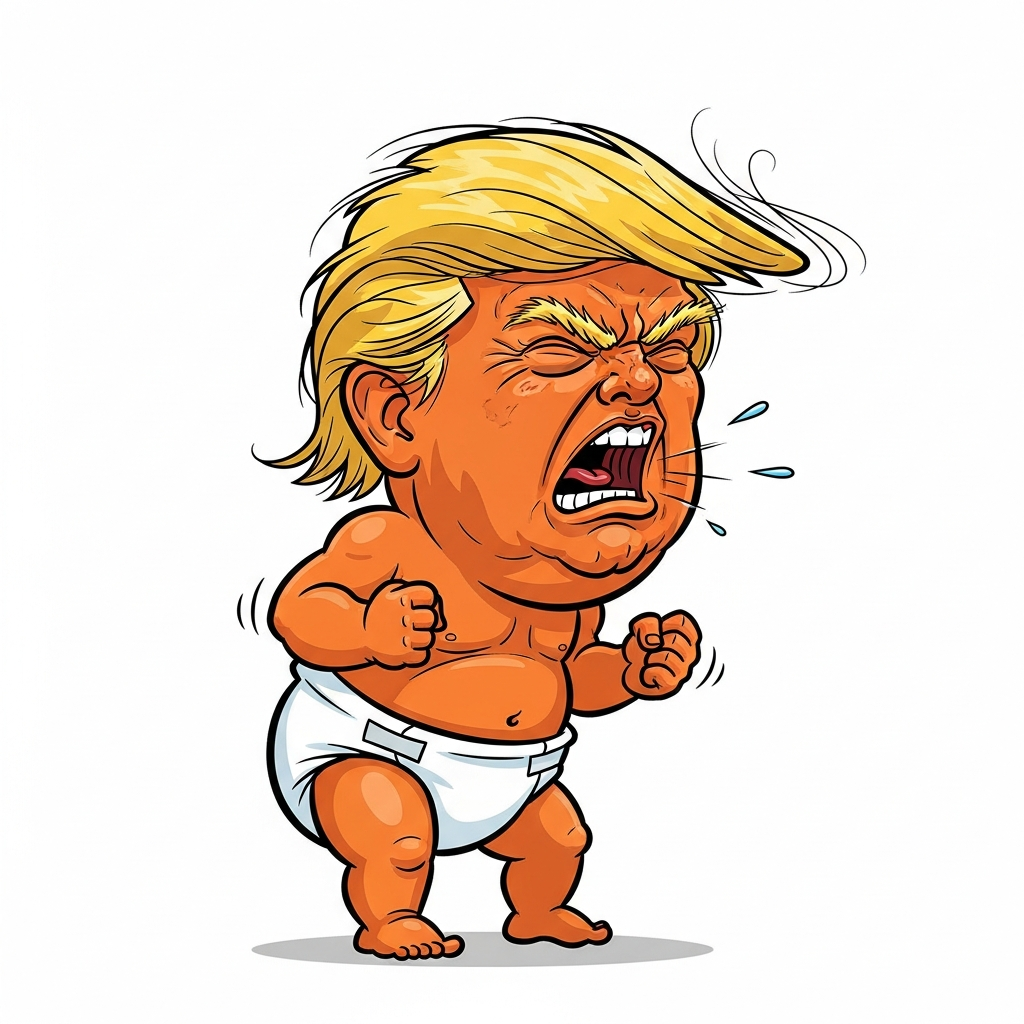
Trump and Violence at Campaign Rallies
A pattern of violence at Trump rallies culminated in the cancellation of a major Chicago event amid clashes between supporters and protesters, as Trump repeatedly encouraged aggressive behavior from the stage.
A Pattern Emerges
Throughout early 2016, Trump’s campaign rallies became increasingly volatile environments. Protesters who attended the events were frequently met with verbal and physical aggression from Trump supporters, often after Trump himself encouraged confrontation from the podium.
At various rallies, Trump made statements that appeared to endorse violence against dissenters. In February 2016 in Cedar Rapids, Iowa, he told the crowd: “If you see somebody getting ready to throw a tomato, knock the crap out of them, would you? Seriously. Okay? Just knock the hell — I promise you, I will pay for the legal fees.” In Las Vegas, he said of a protester: “I’d like to punch him in the face.” At a rally in Fayetteville, North Carolina, a Trump supporter sucker-punched a Black protester as he was being escorted out by security; Trump initially said he was looking into paying the attacker’s legal fees.
The Chicago Cancellation
The tensions reached a breaking point on March 11, 2016, when Trump was scheduled to hold a rally at the University of Illinois at Chicago Pavilion. Thousands of protesters, many of them students and members of Chicago’s diverse communities, filled the arena alongside Trump supporters.
Before Trump took the stage, the campaign announced the event was being canceled due to security concerns. The announcement triggered chaos inside and outside the venue, with scuffles breaking out between opposing groups. Chicago police reported five arrests and two officers injured, though the violence was less severe than initial media reports suggested.
Debate and Consequences
The Chicago cancellation dominated the following day’s news cycle and became a central topic at the next Republican debate. Trump’s rivals criticized him for fostering a climate that made such confrontations inevitable. Senator Marco Rubio said the rallies had created “a very frightening, toxic environment.” Senator Ted Cruz said Trump bore responsibility for “creating an environment” that encouraged violence.
Trump rejected any responsibility, blaming professional agitators and supporters of Bernie Sanders for infiltrating his events. He characterized the protests as an assault on his supporters’ free speech rights. The pattern of rally violence raised pointed questions about the relationship between political rhetoric and real-world aggression — questions that would take on far greater urgency in the years to come.
Sources
- Trump Rally in Chicago Canceled After Clashes — The New York Times, March 11, 2016
- Donald Trump's long history of encouraging violence at rallies — Vox, March 11, 2016
- All the times Trump has called for violence at his rallies — The Washington Post, March 10, 2016