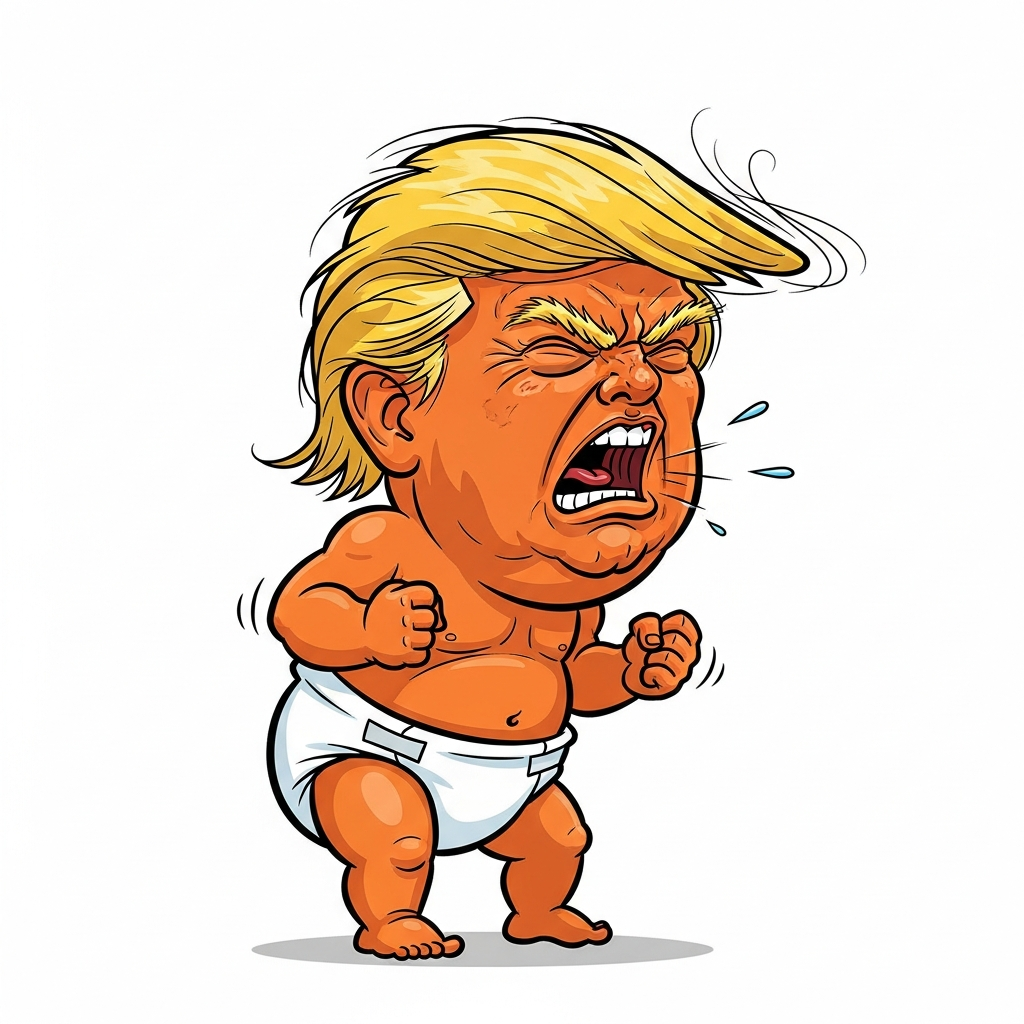
Trump Asks Russia to Find Clinton's Emails
At a press conference, Trump publicly called on Russia to find Hillary Clinton's deleted emails, saying 'Russia, if you're listening,' in a moment that would become central to investigations of Russian interference in the 2016 election.
The Press Conference
On July 27, 2016, Donald Trump held a press conference at his Doral golf resort in Florida. The event came amid a cascade of revelations about Russian hacking of Democratic National Committee emails, which had been published by WikiLeaks just days before the Democratic National Convention.
When asked about the hacking, Trump turned directly to the cameras and issued what appeared to be a direct appeal to Russian intelligence: “Russia, if you’re listening, I hope you’re able to find the 30,000 emails that are missing. I think you will probably be rewarded mightily by our press.”
The “missing” emails referred to messages from Hillary Clinton’s private email server that had been deleted before they were turned over to investigators. The remark stunned national security officials of both parties, as it appeared to be an unprecedented instance of a presidential candidate publicly encouraging a foreign adversary to conduct cyberespionage against a political opponent.
Immediate Fallout
Democrats condemned the statement as, at minimum, reckless and, at worst, potentially treasonous. Clinton’s campaign called it “the first time that a major presidential candidate has actively encouraged a foreign power to conduct espionage against a political opponent.” Republican national security experts expressed alarm, with some calling the statement disqualifying.
Trump and his allies offered shifting explanations. At various points, Trump called the remark sarcastic, said he was joking, and argued he was simply making a point about Clinton’s email security failures. His running mate, Mike Pence, issued a statement saying the campaign was not encouraging foreign espionage.
What the Mueller Investigation Found
The remark took on new gravity when Special Counsel Robert Mueller’s investigation later revealed that Russian military intelligence officers had, in fact, attempted to hack Clinton-linked email accounts for the first time on or around the same day Trump made his public appeal. Mueller’s 2019 report documented this timing in detail, though it did not establish that Trump’s statement directly caused the hacking attempt.
The “Russia, if you’re listening” moment became one of the most analyzed statements of the 2016 campaign. It encapsulated the broader questions about the relationship between the Trump campaign and Russian interference efforts — questions that would consume much of Trump’s first term in office and lead to a two-year special counsel investigation, congressional inquiries, and Trump’s first impeachment.
Sources
- Donald Trump Calls on Russia to Find Hillary Clinton's Missing Emails — The New York Times, July 27, 2016
- Trump invites Russia to meddle in the U.S. presidential race with Clinton's emails — The Washington Post, July 27, 2016
- Report on the Investigation into Russian Interference in the 2016 Presidential Election (Mueller Report) — U.S. Department of Justice, April 18, 2019