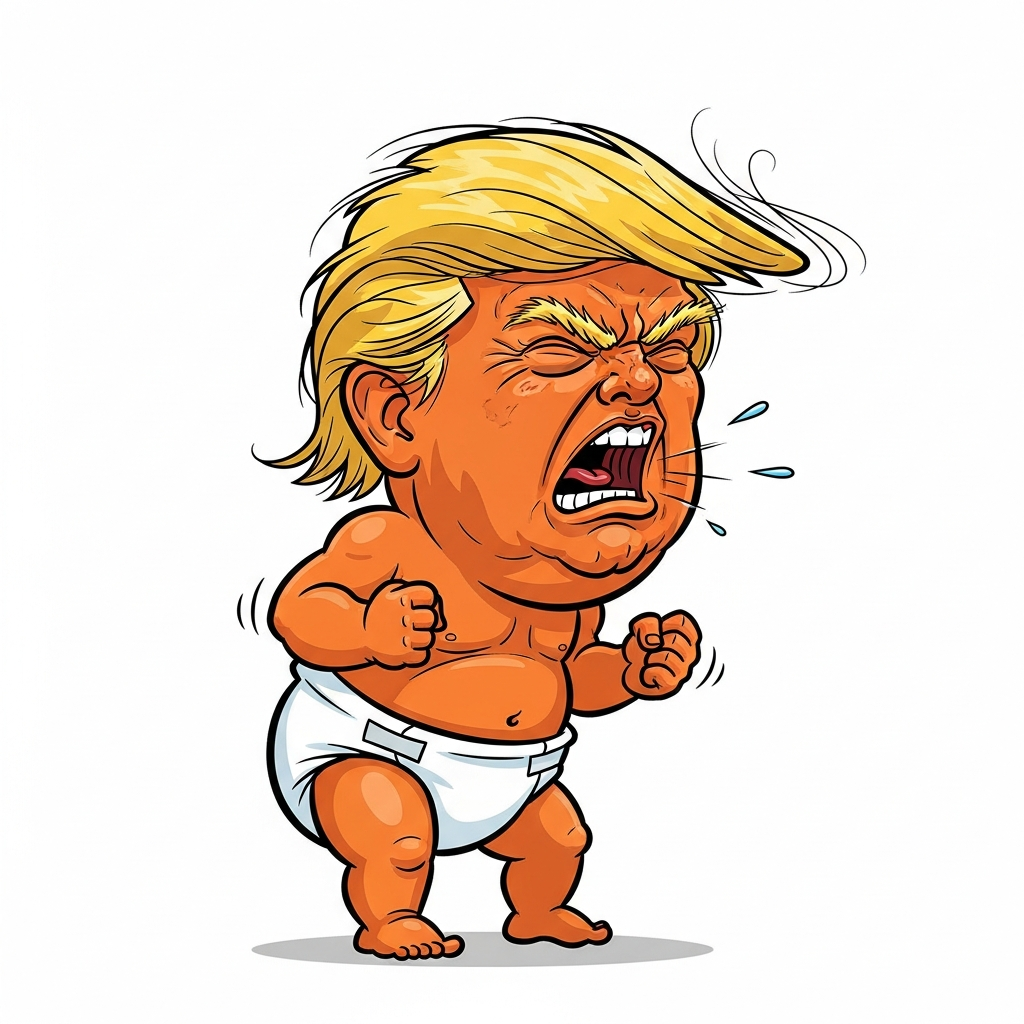
Trump Wins the 2016 Presidential Election
Donald Trump defeated Hillary Clinton to become the 45th president of the United States, winning the Electoral College 304 to 227 despite losing the popular vote by nearly three million ballots, in one of the most stunning upsets in American political history.
Election Night
On the evening of November 8, 2016, Donald Trump achieved what nearly every major poll, forecasting model, and political analyst had deemed improbable. He won the presidency of the United States, shattering assumptions about what was possible in American politics.
The night began with confidence in the Clinton camp and anxiety among Trump’s advisors. Early exit polls appeared favorable for Clinton. But as returns came in from Florida and North Carolina, the mood shifted. Trump carried both states, then began running ahead of projections across the industrial Midwest. By 1:00 AM, it was clear that Trump had breached the “blue wall” — the collection of Rust Belt states that Democrats had carried in every presidential election since 1992.
The Numbers
Trump won 306 electoral votes to Clinton’s 232 (two faithless electors in each camp reduced the final certified totals to 304 and 227). He flipped six states that Barack Obama had carried in 2012: Florida, Ohio, Iowa, Pennsylvania, Michigan, and Wisconsin. The margins in the three decisive Rust Belt states were razor-thin: approximately 77,000 combined votes across Pennsylvania, Michigan, and Wisconsin separated the two candidates.
Clinton won the popular vote by approximately 2.9 million ballots, or about 2.1 percentage points — the largest popular vote margin ever for a losing candidate. The divergence between the popular vote and the Electoral College outcome intensified long-running debates about the structure of American presidential elections.
How It Happened
Analysts pointed to multiple factors that converged to produce Trump’s victory. Working-class white voters in the Midwest, many of whom had supported Obama, swung heavily toward Trump amid economic anxiety and cultural resentment. FBI Director James Comey’s announcement, eleven days before the election, that the bureau was examining newly discovered Clinton emails rocked the race at a critical moment. Clinton’s campaign, confident in its data models, had underinvested in the very states that proved decisive.
Trump’s campaign, meanwhile, had run an unconventional operation powered by massive rallies, domination of free media coverage, and a targeted digital strategy that exploited social media in ways that were not fully understood until after the election.
A Nation Reacts
The result produced a deeply polarized reaction. Trump’s supporters celebrated what they saw as a populist revolution against a corrupt political establishment. Opponents were stunned and fearful, with protests erupting in major cities across the country in the days following the election. Financial markets, which had plunged as Trump’s victory became apparent, quickly recovered and began a sustained rally.
Trump’s victory marked the beginning of a presidency that would test democratic institutions, reshape the federal judiciary, redefine the Republican Party, and dominate American political life for years beyond his time in office. The real estate developer and reality television star, who had never held elected office or served in the military, was headed to the White House.
Sources
- Donald Trump Is Elected President in Stunning Repudiation of the Establishment — The New York Times, November 9, 2016
- Trump triumphs in presidential race, stunning Clinton and the world — The Washington Post, November 9, 2016
- Republican Trump elected U.S. president in stunning upset — Reuters, November 9, 2016