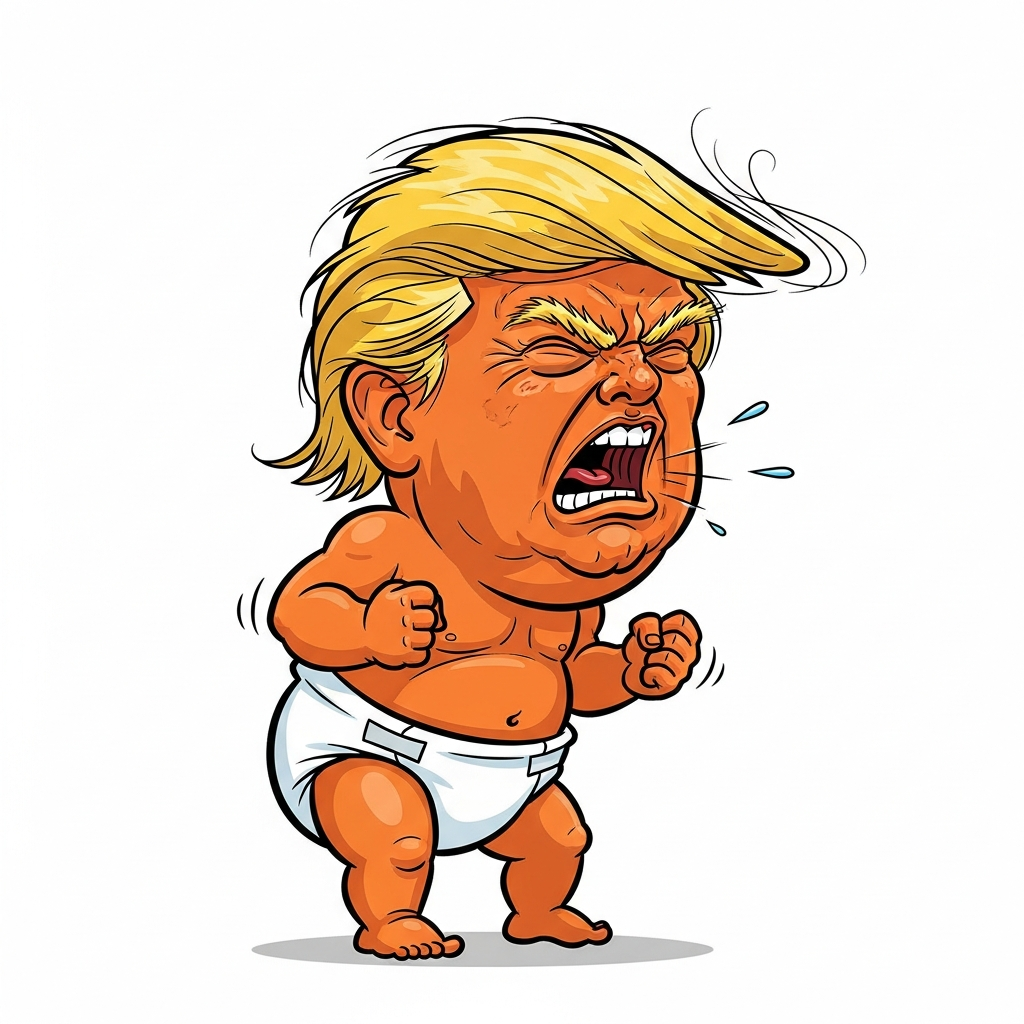
Trump Pressures Comey to Drop Flynn Investigation in Private Oval Office Meeting
Trump cleared the Oval Office of other officials and asked FBI Director James Comey to end the investigation into Michael Flynn, telling him 'I hope you can let this go' — a request Comey documented in a memo that became central evidence in the obstruction of justice case.
The Setup: Clearing the Room
On February 14, 2017 — just one day after National Security Advisor Michael Flynn was forced to resign for lying to Vice President Mike Pence about his contacts with Russian Ambassador Sergey Kislyak — Trump made a move that would become a defining moment of his presidency’s obstruction of justice case. At the end of a national security briefing in the Oval Office, with Vice President Pence, Attorney General Jeff Sessions, and other senior officials present, Trump asked everyone to leave the room except FBI Director James Comey.
The deliberate clearing of the room was itself telling. Trump did not want witnesses — not even his own Attorney General — for what he was about to say. Sessions reportedly lingered near the door, reluctant to leave the FBI Director alone with the President, but ultimately complied.
”I Hope You Can Let This Go”
Alone with Comey, Trump got to the point. According to a memo Comey wrote immediately after the meeting, Trump said: “I hope you can see your way clear to letting this go, to letting Flynn go. He is a good guy. I hope you can let this go.”
When Comey later testified before the Senate Intelligence Committee, he was unambiguous about how he interpreted the President’s words: “I took it as a direction.” Coming from the most powerful person in the country, in a private one-on-one meeting from which all other officials had been deliberately excluded, “I hope” was not a casual suggestion. It was a command dressed in the thinnest possible veneer of plausibility.
Comey did not comply. He continued the Flynn investigation, and he began keeping a meticulous paper trail of his interactions with Trump — the instinct of a career law enforcement officer who recognized he was witnessing potential criminality from the President of the United States.
A Pattern of Obstruction
This was not an isolated incident. It was one episode in what Special Counsel Robert Mueller’s investigation later identified as a pattern of at least ten acts of potential obstruction of justice by Trump. Just two weeks earlier, on January 27, Trump had invited Comey to a private dinner and demanded his “loyalty.” Less than three months later, on May 9, Trump would fire Comey entirely — and then go on national television to tell NBC’s Lester Holt that he did so because of “this Russia thing.”
The Mueller Report’s Volume II devoted extensive analysis to the Flynn conversation, concluding that “substantial evidence” supported the elements of an obstruction charge. Mueller noted that Trump later denied clearing the room and asking Comey to let Flynn go — “a denial that would have been unnecessary if he believed his request was a proper exercise of prosecutorial discretion.”
Why It Matters
The February 14 meeting encapsulates the core of Trump’s approach to law enforcement: he views it as a personal tool to protect himself and his allies, not as an independent institution. He asked the nation’s top law enforcement official to kill an investigation into a member of his inner circle who had lied to federal agents about contacts with a hostile foreign power. When the FBI Director refused, Trump fired him. That is not how a president operates. That is how a mob boss operates.
Sources
- Comey Memo Says Trump Asked Him to End Flynn Investigation — The New York Times, May 16, 2017
- Comey: Trump Asked For 'Loyalty,' Wanted Him To 'Let' Flynn Investigation 'Go' — NPR, June 7, 2017
- Notes Made by FBI Director Comey Say Trump Pressured Him to End Flynn Probe — The Washington Post, May 16, 2017
- Obstruction of Justice in the Mueller Report: A Heat Map — Lawfare, April 21, 2019