Robert Mueller Appointed Special Counsel
Deputy Attorney General Rod Rosenstein appointed former FBI Director Robert Mueller as Special Counsel to investigate Russian interference in the 2016 election and any links to the Trump campaign, launching a two-year investigation that would dominate Trump's presidency.
The Appointment
On May 17, 2017, just eight days after President Trump fired FBI Director James Comey, Deputy Attorney General Rod Rosenstein appointed Robert S. Mueller III as Special Counsel to oversee the investigation into Russian interference in the 2016 presidential election. Mueller, a decorated Vietnam War veteran and former FBI director who had served under presidents of both parties, was widely regarded as a figure of impeccable integrity.
Rosenstein acted because Attorney General Jeff Sessions had recused himself from the Russia investigation due to his own undisclosed meetings with the Russian ambassador during the 2016 campaign. The appointment order gave Mueller broad authority to investigate “any links and/or coordination between the Russian government and individuals associated with the campaign of President Donald Trump” as well as “any matters that arose or may arise directly from the investigation.”
Trump’s Reaction
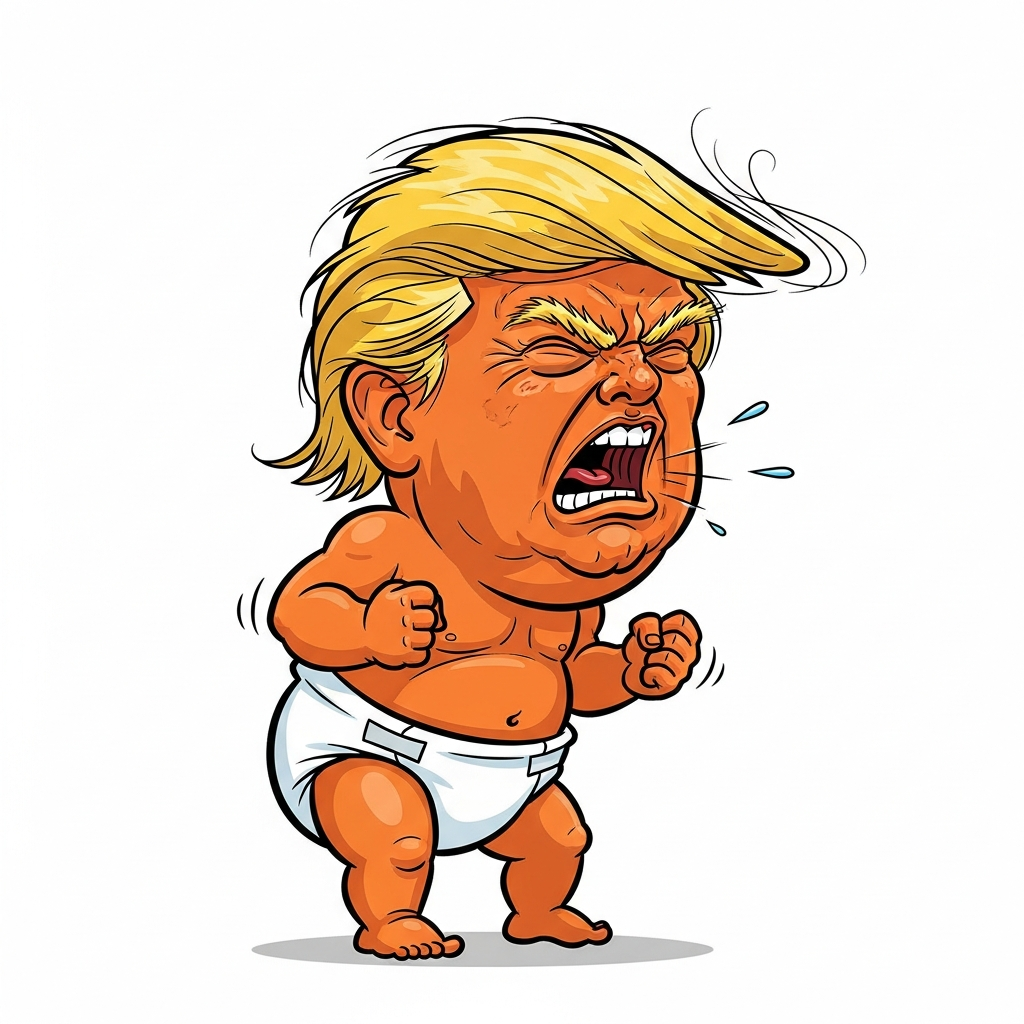
According to contemporaneous accounts later revealed in Mueller’s report, Trump reacted to the news by slumping in his chair and saying, “Oh my God. This is terrible. This is the end of my presidency. I’m fucked.” He then berated Sessions for recusing himself, calling it the worst decision of his presidency and saying Sessions had “let him down.”
Trump would go on to publicly attack Mueller and his investigation relentlessly, calling it a “witch hunt” hundreds of times on social media and in public statements. He considered firing Mueller on multiple occasions, and the Mueller report later documented at least ten instances of potential obstruction of justice by the president.
The Investigation’s Scope
Over the course of nearly two years, Mueller’s team issued more than 2,800 subpoenas, executed nearly 500 search warrants, and interviewed approximately 500 witnesses. The investigation resulted in 34 indictments, including charges against 26 Russian nationals, and secured guilty pleas or convictions from several Trump campaign and administration officials, including campaign chairman Paul Manafort, deputy campaign chairman Rick Gates, National Security Advisor Michael Flynn, and personal attorney Michael Cohen.
The Report
Mueller submitted his final report to Attorney General William Barr on March 22, 2019. The report concluded that Russia had interfered in the 2016 election “in sweeping and systematic fashion” but did not establish that the Trump campaign had conspired or coordinated with the Russian government. On obstruction of justice, Mueller notably declined to exonerate Trump, writing that “while this report does not conclude that the President committed a crime, it also does not exonerate him.” Mueller later explained that longstanding Justice Department policy against indicting a sitting president had constrained his options.
Sources
- Robert Mueller Named Special Counsel for Russia Investigation — The New York Times, May 17, 2017
- Deputy Attorney General Appoints Special Counsel to Oversee Probe of Russian Interference in Election — The Washington Post, May 17, 2017
- Appointment of Special Counsel — U.S. Department of Justice, May 17, 2017