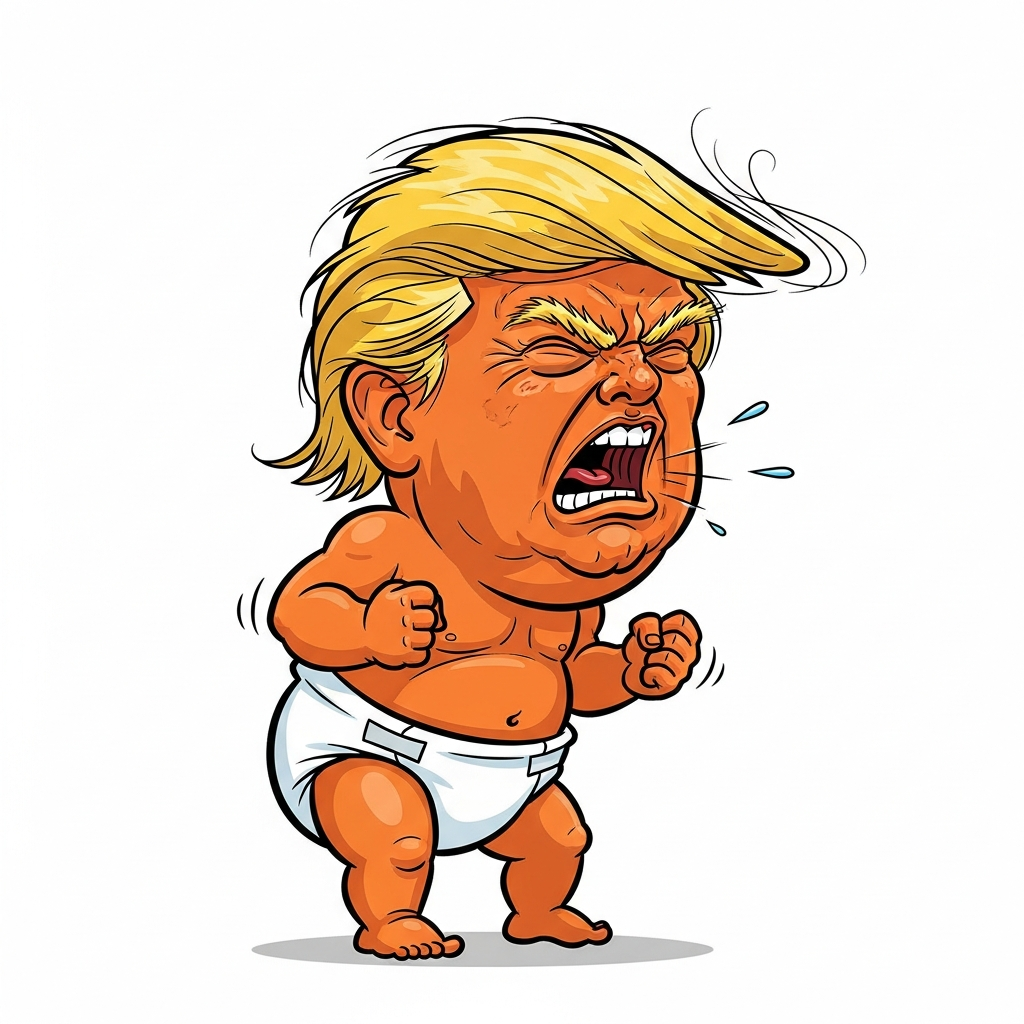
Helsinki Summit — Trump Sides with Putin Over U.S. Intelligence
Standing beside Russian President Vladimir Putin at a joint press conference in Helsinki, Trump sided with Putin's denial of election interference over the unanimous assessment of U.S. intelligence agencies, stunning allies and drawing bipartisan condemnation.
The Press Conference
On July 16, 2018, President Trump met with Russian President Vladimir Putin in Helsinki, Finland, for their first formal summit. The private meeting lasted over two hours, with only interpreters present — no aides, no note-takers. The contents of that conversation remain largely unknown. But it was the joint press conference afterward that produced one of the most astonishing moments in the history of American foreign policy.
When asked whether he believed U.S. intelligence agencies’ unanimous conclusion that Russia had interfered in the 2016 election, Trump — standing next to Putin on the world stage — sided with the Russian president. “My people came to me, Dan Coats came to me and some others, and they said they think it’s Russia,” Trump said, referring to his Director of National Intelligence. “I have President Putin; he just said it’s not Russia. I will say this: I don’t see any reason why it would be.”
Bipartisan Shock
The reaction was immediate and crossed party lines in a way that almost nothing else during the Trump presidency would. Republican Senator John McCain called it “one of the most disgraceful performances by an American president in memory.” Senator Jeff Flake said, “I never thought I would see the day when our American President would stand on the stage with the Russian President and place blame on the United States for Russian aggression.” Even Trump’s usual defenders struggled to justify the performance.
Former CIA Director John Brennan called Trump’s behavior “nothing short of treasonous.” Former Director of National Intelligence James Clapper said he was “completely flummoxed” by the press conference. The sitting Director of National Intelligence, Dan Coats, released a statement reaffirming the intelligence community’s conclusions, in a remarkable public rebuke of his own president.
The Walk-Back
Facing a torrent of criticism, Trump attempted a cleanup the following day. Reading from a prepared script, he claimed he had misspoken in Helsinki — that he had meant to say “wouldn’t” rather than “would” when he said, “I don’t see any reason why it would be” Russia. “The sentence should have been: ‘I don’t see any reason why it wouldn’t be Russia,’” Trump said. Few found the explanation credible, particularly since Trump had made numerous other remarks at the press conference that were consistent with his original statement.
Even as he read the correction, Trump ad-libbed the caveat “could be other people also,” undermining the walk-back in real time.
The Broader Question
Helsinki crystallized a question that had hung over the Trump presidency from the beginning: why did Trump consistently act in Russia’s interests? He had questioned NATO, undermined European alliances, declined to enforce sanctions on Russia, and now publicly taken Putin’s side against his own intelligence community. Whether the explanation was financial entanglement, kompromat, ideological affinity, or simply ego, the Helsinki summit represented a president of the United States subordinating American national security interests to those of a hostile foreign power in full view of the world.
Sources
- Trump, at Putin's Side, Questions U.S. Intelligence on 2016 Election — The New York Times, July 16, 2018
- Trump Sides with Putin Over U.S. Intelligence — The Washington Post, July 16, 2018
- Trump-Putin Summit: Key Moments in Helsinki — BBC News, July 16, 2018