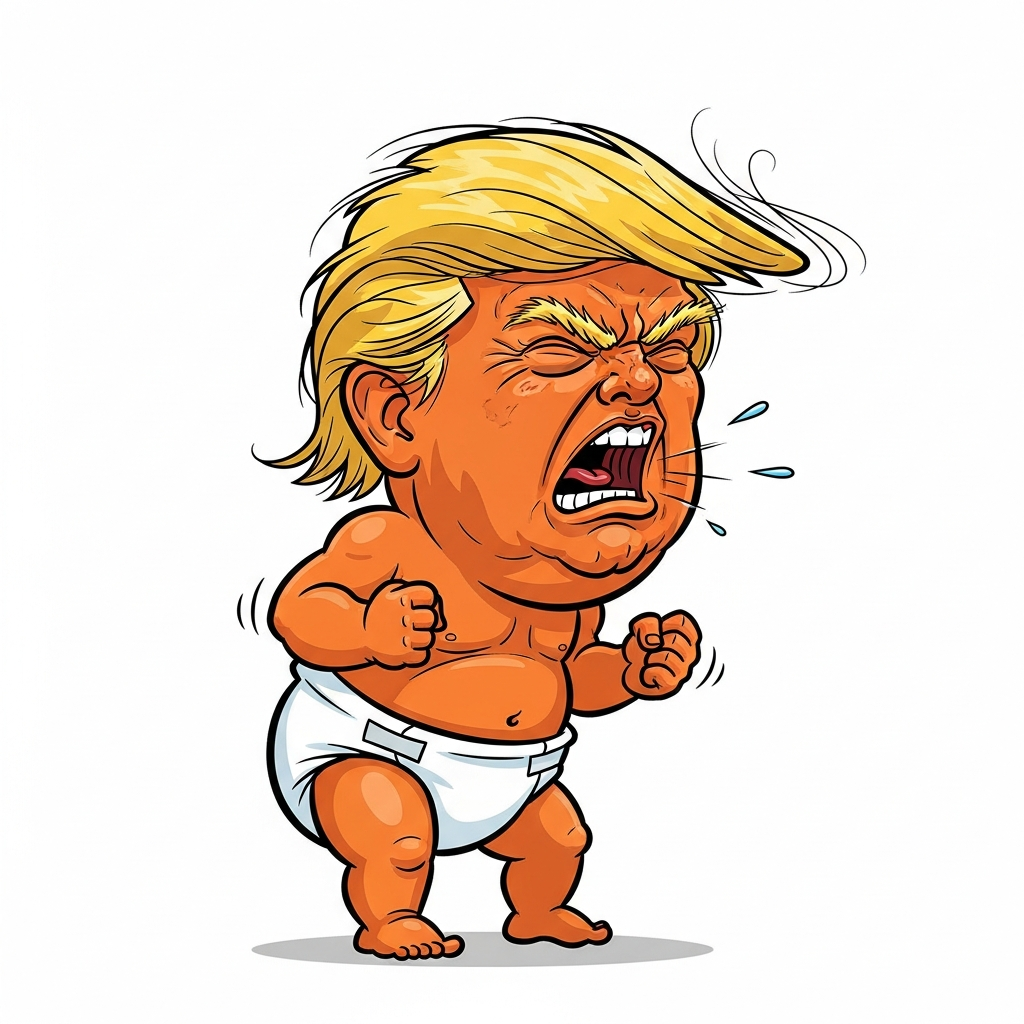
Trump Contracts COVID-19
President Trump announced he had tested positive for COVID-19, was hospitalized at Walter Reed Medical Center, and received experimental treatments, raising urgent questions about presidential succession and transparency about his condition.
The Diagnosis
In the early morning hours of October 2, 2020, President Trump tweeted that he and First Lady Melania Trump had tested positive for COVID-19. The announcement came just hours after the news broke that close aide Hope Hicks had tested positive. The diagnosis arrived at the height of the presidential campaign, barely a month before Election Day, and just days after the first presidential debate where Trump had mocked Biden for wearing masks. Trump’s positive test raised immediate and profound questions about the continuity of government, the health of other senior officials, and the White House’s handling of the pandemic.
Hospitalization at Walter Reed
By the evening of October 2, Trump was airlifted by Marine One to Walter Reed National Military Medical Center. His medical team, led by White House physician Dr. Sean Conley, administered an aggressive treatment regimen that included Regeneron’s experimental monoclonal antibody cocktail, the antiviral drug remdesivir, and the steroid dexamethasone — the last of which is typically reserved for patients with severe illness requiring supplemental oxygen. Despite this, the White House initially presented a rosy picture of Trump’s condition, with Conley later admitting he had tried to present an “upbeat attitude” and had not been “entirely forthcoming” about the severity of Trump’s illness.
Contradictory Information
Throughout the hospitalization, the public received conflicting signals. While Dr. Conley said Trump was doing well, White House Chief of Staff Mark Meadows told reporters “off the record” — in full view of television cameras — that the president’s vitals had been “very concerning” over the previous 24 hours. Reports emerged that Trump had experienced drops in blood oxygen levels. Yet Trump staged a photo-op signing blank papers at his hospital desk and, on October 4, took a drive in his presidential SUV to wave at supporters gathered outside the hospital, exposing Secret Service agents in the sealed vehicle to the virus.
Return and Aftermath
Trump returned to the White House on October 5, dramatically removing his mask on the balcony in front of cameras. He immediately resumed downplaying the virus, tweeting “Don’t be afraid of Covid” and “Don’t let it dominate your life.” The comments drew intense criticism given that more than 210,000 Americans had died from the disease by that point. The White House outbreak ultimately infected dozens of people connected to a Rose Garden ceremony on September 26 for Supreme Court nominee Amy Coney Barrett, which public health experts described as a “superspreader event.” Trump’s recovery, aided by cutting-edge treatments unavailable to most Americans, did not change his approach to the pandemic.
Sources
- Trump Tests Positive for the Coronavirus — The New York Times, October 2, 2020
- President Donald Trump says he has tested positive for COVID-19 — Associated Press, October 2, 2020
- Trump, first lady test positive for coronavirus — The Washington Post, October 2, 2020