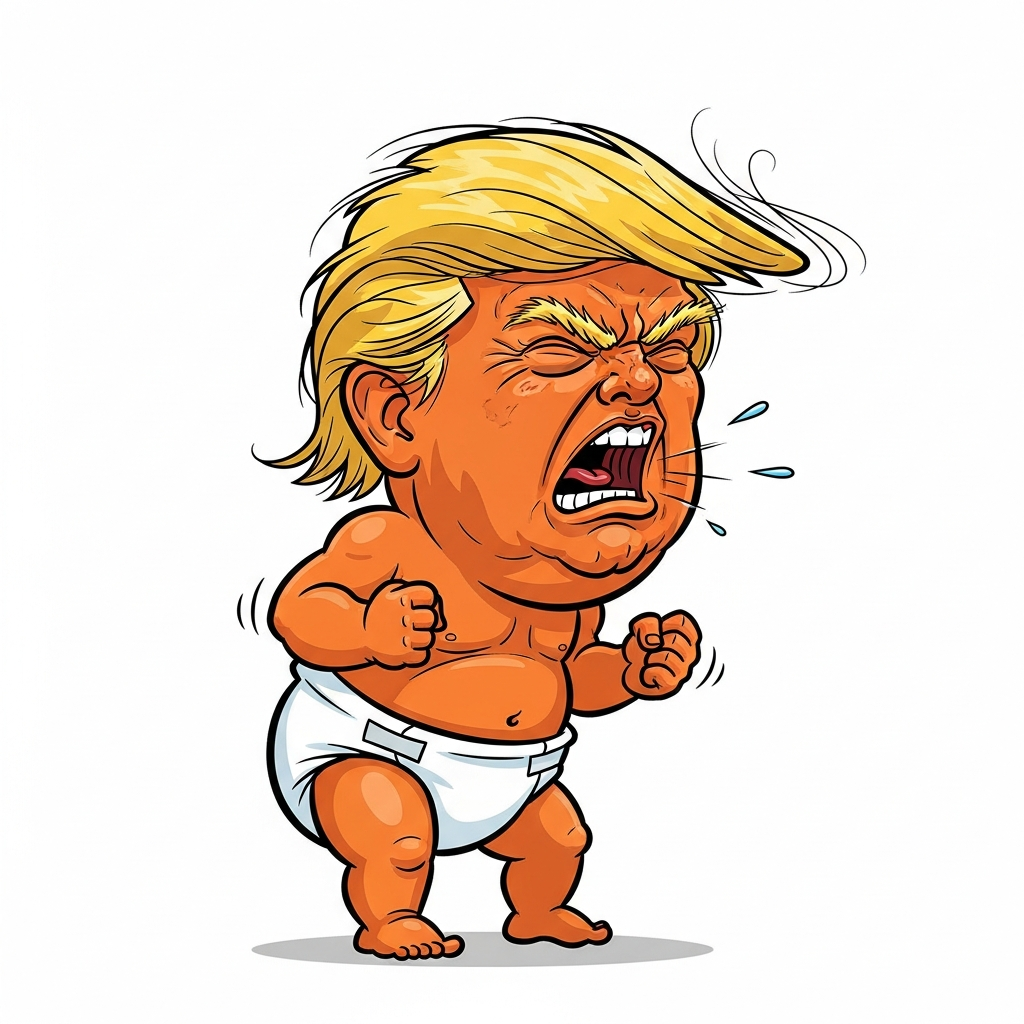
Trump Pardons January 6 Defendants
On his first day in office, Trump issued sweeping pardons and commutations for approximately 1,500 people charged in connection with the January 6, 2021, Capitol attack, including individuals convicted of violent assaults on police officers.
The Pardons
On the evening of January 20, 2025, just hours after taking office, President Trump signed a sweeping executive order granting pardons to the vast majority of the approximately 1,500 people who had been charged in connection with the January 6, 2021, attack on the U.S. Capitol. The mass clemency action included full pardons for most defendants and commutations for a smaller number of individuals who had been convicted of the most serious offenses, including members of the Oath Keepers and Proud Boys convicted of seditious conspiracy.
Scope of the Clemency
The pardons covered a wide range of offenders, from people convicted of misdemeanor trespassing to those who had been sentenced to years in prison for assaulting police officers. Among those freed were Stewart Rhodes, the founder of the Oath Keepers who had been sentenced to 18 years for seditious conspiracy, and Enrique Tarrio, the former Proud Boys leader sentenced to 22 years. Trump described the January 6 defendants as “hostages” and “political prisoners” who had been treated unfairly by the justice system.
Law Enforcement Reaction
The pardons drew sharp condemnation from police officers who had defended the Capitol on January 6. Officers who were beaten, tased, and sprayed with chemicals during the riot expressed anger and disbelief that their attackers were being freed. The head of the Capitol Police union said the pardons were “a betrayal of the men and women who risked their lives that day.” Metropolitan Police Officer Michael Fanone, who suffered a heart attack and traumatic brain injury during the attack, called the pardons “disgusting.”
Political and Legal Significance
Trump’s January 6 pardons represented one of the most expansive uses of presidential clemency power in American history. Legal scholars noted that the action effectively nullified years of prosecutorial work by the Department of Justice, which had conducted the largest criminal investigation in its history. Critics argued the pardons sent a dangerous message that political violence on behalf of a president would be rewarded. Supporters of the pardons echoed Trump’s framing, arguing that the prosecutions had been politically motivated and the sentences disproportionate.
Sources
- Trump pardons Capitol rioters on first day in office — Associated Press, January 20, 2025
- Trump Issues Sweeping Pardons for Jan. 6 Defendants — The New York Times, January 20, 2025
- Trump pardons Jan. 6 defendants in sweeping clemency action — The Washington Post, January 20, 2025