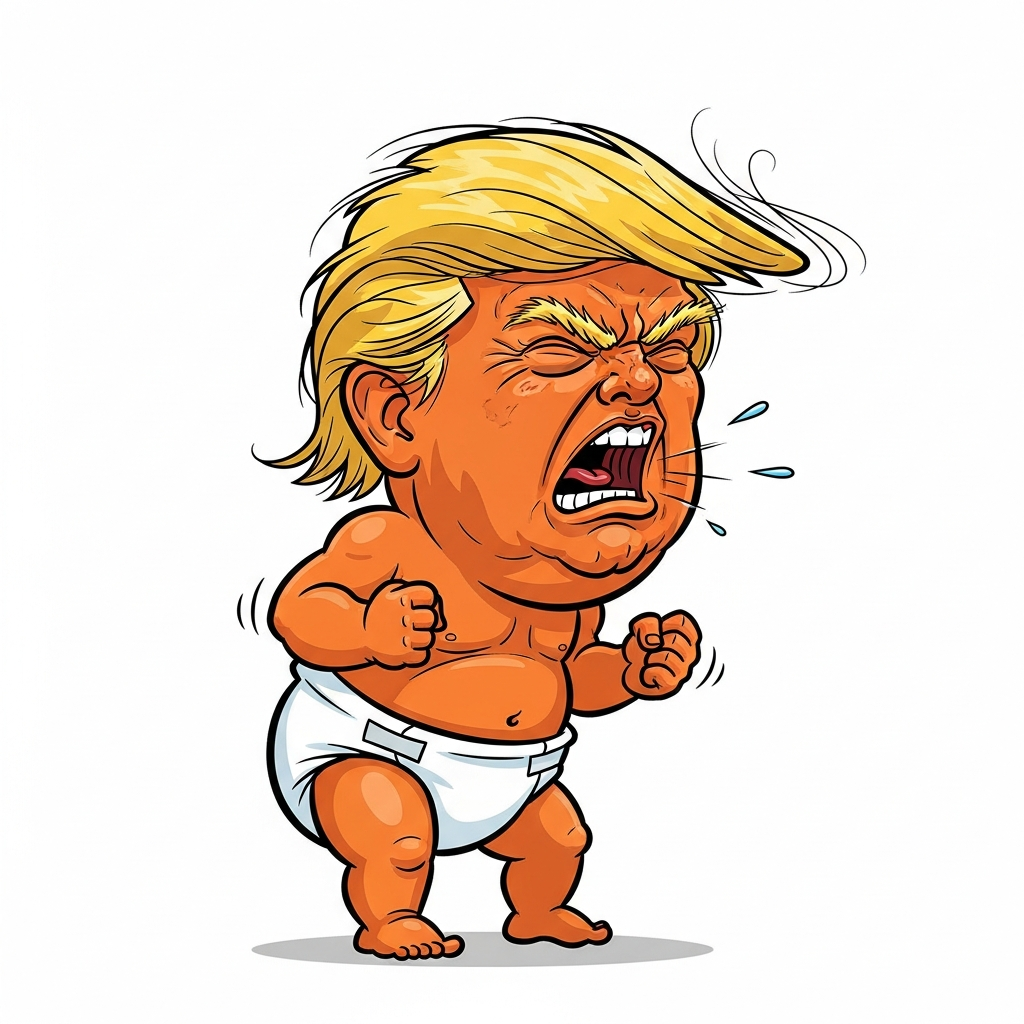
Pentagon Strikes Two More Boats in 48 Hours, Pushing 'Southern Spear' Death Toll Past 190
Back-to-back U.S. military strikes on alleged drug boats in the Caribbean and eastern Pacific killed five more people across May 4 and May 5, bringing the confirmed death toll from Operation Southern Spear past 190 since September. The Pentagon has still produced no evidence the targeted vessels were carrying drugs.
Two Strikes, Five Dead, Forty-Eight Hours
On Monday, May 4, U.S. forces blew up a boat in the Caribbean and killed two of the men aboard. On Tuesday, May 5, U.S. forces blew up another boat in the eastern Pacific and killed three more. The Pentagon released grainy overhead footage of explosions, claimed without evidence that the vessels carried narcotics, and added the dead to a tally that has now climbed past 190 since the campaign — branded “Operation Southern Spear” — began in September 2025.
There were no arrests. No interdictions. No intercepted cargo presented to the public. There was, in each case, a missile, a fireball on the ocean, and a Pentagon press release.
A Killing Campaign Without a War
Operation Southern Spear is, on paper, a counter-narcotics mission run by U.S. Southern Command. In practice, it is the most expansive program of openly extrajudicial U.S. killings outside a declared war zone in modern memory. More than 50 strikes have now been carried out in international waters between Latin America and the United States. The Pentagon has shifted from interdiction — boarding suspect vessels, seizing drugs, arresting smugglers — to summary execution from the air.
President Trump has framed the killings as a matter of “armed conflict” with cartels, a legal theory that exists almost nowhere outside his own statements. The administration has refused to share targeting evidence with Congress, refused to identify most of the dead, and refused to explain what intelligence — if any — supported each strike. When the Trump State Department was asked to respond to inquiries from the Inter-American Commission on Human Rights, it instructed staff to ignore the body entirely.
The Bodies Pile Up
Human Rights Watch has called the strikes “unlawful extrajudicial killings.” The American Civil Liberties Union has described the administration’s claims about the targets as “unsubstantiated, fear-mongering claims.” In November 2025, the United Kingdom — historically one of the closest U.S. intelligence partners — stopped sharing maritime intelligence with Washington, citing concerns that its data was being used to facilitate extrajudicial killings.
That is the company the United States now keeps on this file: a country whose closest ally has pulled the plug rather than be implicated in what its government considers murder.
The five new dead this week join at least 185 others. Among the previously killed: fishermen whose families say they had nothing to do with drug trafficking, men whose nationalities the Pentagon has never confirmed, and at least some passengers whom even the administration concedes were not the intended targets.
Congress Watches the Smoke
The legal framework for all of this is, simply, none. Congress has not authorized a war on drug cartels. The administration has invoked no treaty. The targets are not designated combatants under any internationally recognized definition. The strikes occur in international waters, often hundreds of miles from U.S. shores. And yet, as Axios reported on Tuesday, congressional oversight has effectively collapsed: hearings are sparse, briefings are perfunctory, and Republican leadership treats the program as a domestic political asset rather than a foreign policy crisis.
This is what the slow normalization of state killing looks like. Each individual strike is described as a tactical action against unnamed traffickers; each tactical action is added to a running total; each running total is then cited as evidence the program is “working.” There is no off-ramp built into the campaign because the administration has never defined what victory would look like. The killings simply continue.
The Pattern
The boat strikes belong to the same authoritarian logic that runs through every other front of this presidency: the executive claims unilateral lethal authority, refuses oversight, withholds evidence, attacks anyone who questions the body count, and demands the public accept on faith that the people the government has killed deserved to die. The targets here are foreign and poor and far away, which is why the program has been allowed to scale to nearly 200 deaths with so little political cost. But the precedent is permanent. A White House that can order summary executions of unidentified men in international waters because it has decided they are criminals is a White House that has crossed a line American presidents have, until now, mostly stayed behind.
This week’s bodies are not the story. The story is that there will be more next week, and the week after that, and that no one in power has plans to stop.
Sources
- U.S. kills 3 in suspected drug-smuggling boat strike; toll hits 190 — UPI, May 5, 2026
- U.S. military strike on alleged drug boat kills 3 in the eastern Pacific — NBC News, May 5, 2026
- US military strike on alleged drug boat kills 2 in the Caribbean — Washington Post, May 5, 2026
- U.S. keeps bombing boats in Caribbean with little public scrutiny — Axios, May 6, 2026
- The U.S. Is Still Routinely Killing Civilians in Boats — The Intercept, April 14, 2026